Start with a question, not an image to recreate
References are useful because they give you something concrete to study. A poster might show how large type can create a sense of urgency; an illustration might reveal how a limited palette makes a scene feel calm. The risk comes when you treat the finished piece as a set of instructions: use this layout, these colors and a similar subject. At that point, your project can become a close variation of someone else’s solution.
Before collecting images, write down what your project needs to do. Who is it for, what should it communicate and what constraints are you choosing? A personal project does not need a real client brief, but it benefits from a clear purpose. “Design a playful identity for a neighborhood seed library” gives you more room to think than “make something like this identity I saw.”
Collect references for different reasons
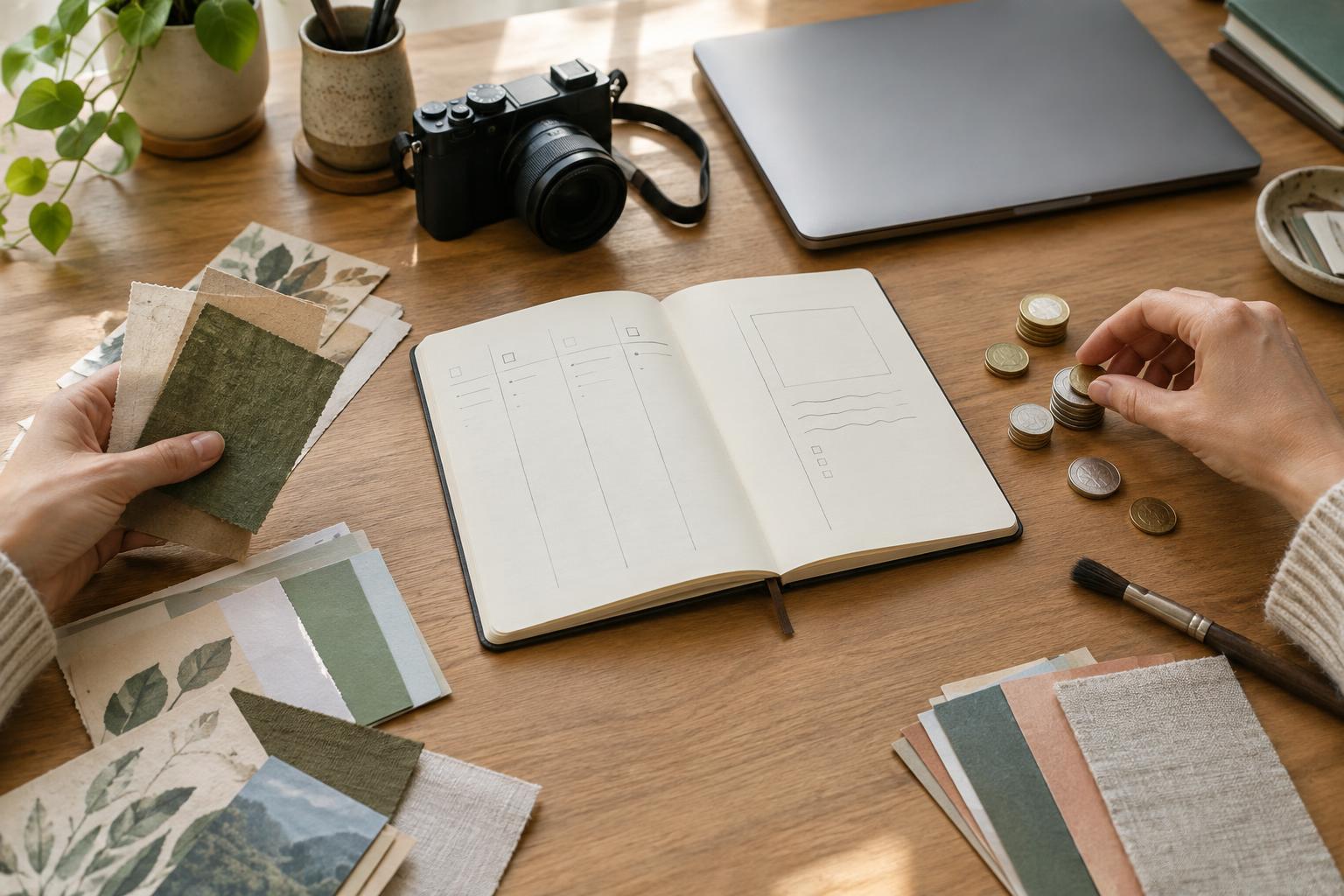
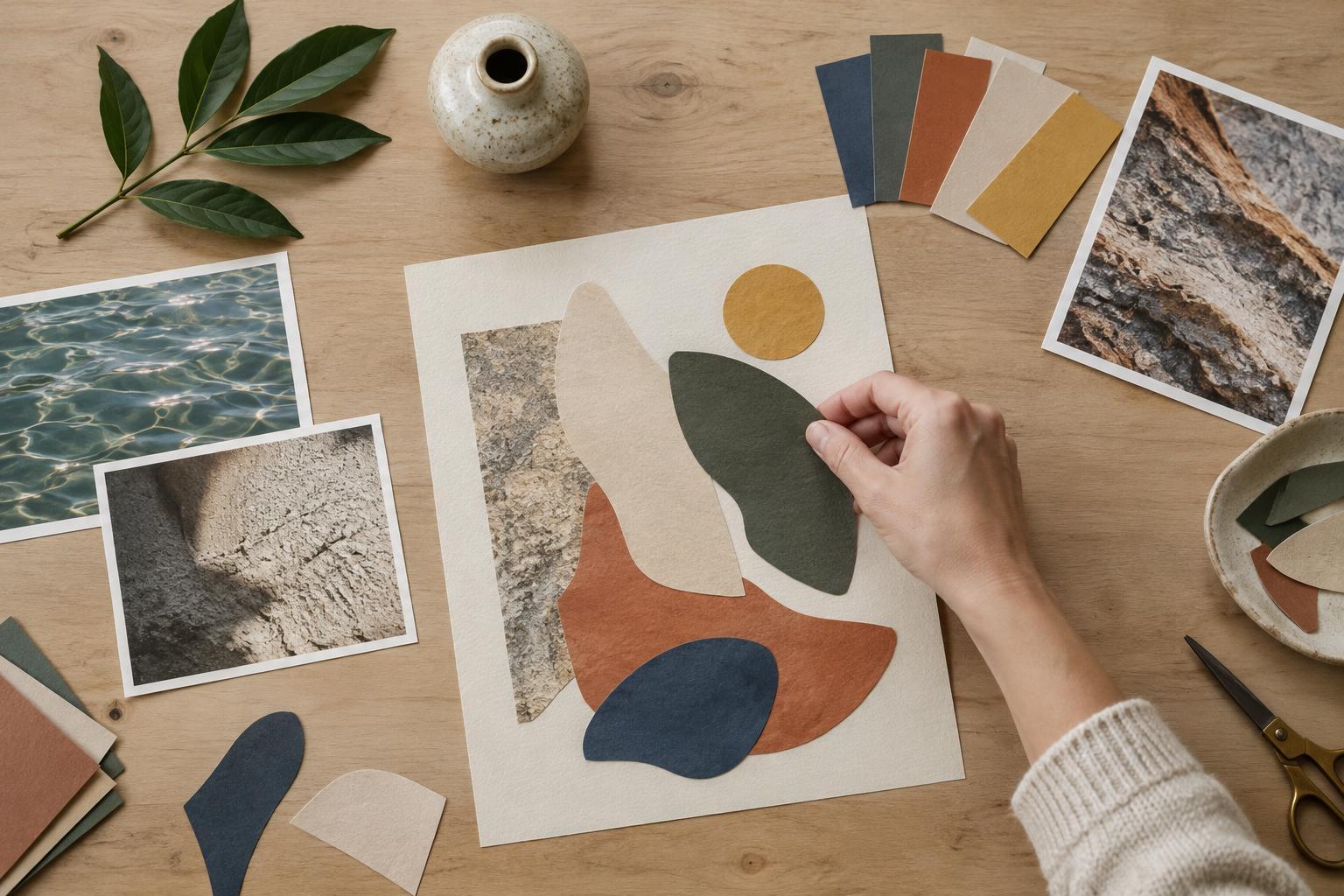
Build a small, varied collection rather than a board dominated by one creator or project. You might include examples of typography, color, composition, materials and subject matter from different places. Non-design references can help too: a photograph of a greenhouse, a handwritten planting label or the shape of a seed packet may tell you more about your subject than another finished logo.
Give each reference a short note that names what you want to learn from it. “The wide spacing makes the text feel unhurried” is more useful than “I like this.” These notes separate an underlying principle from the particular way another maker expressed it. They also make it easier to notice when your collection has become too narrow. If nearly every reference points toward the same final appearance, broaden your search before you start making.
Translate observations into your own decisions
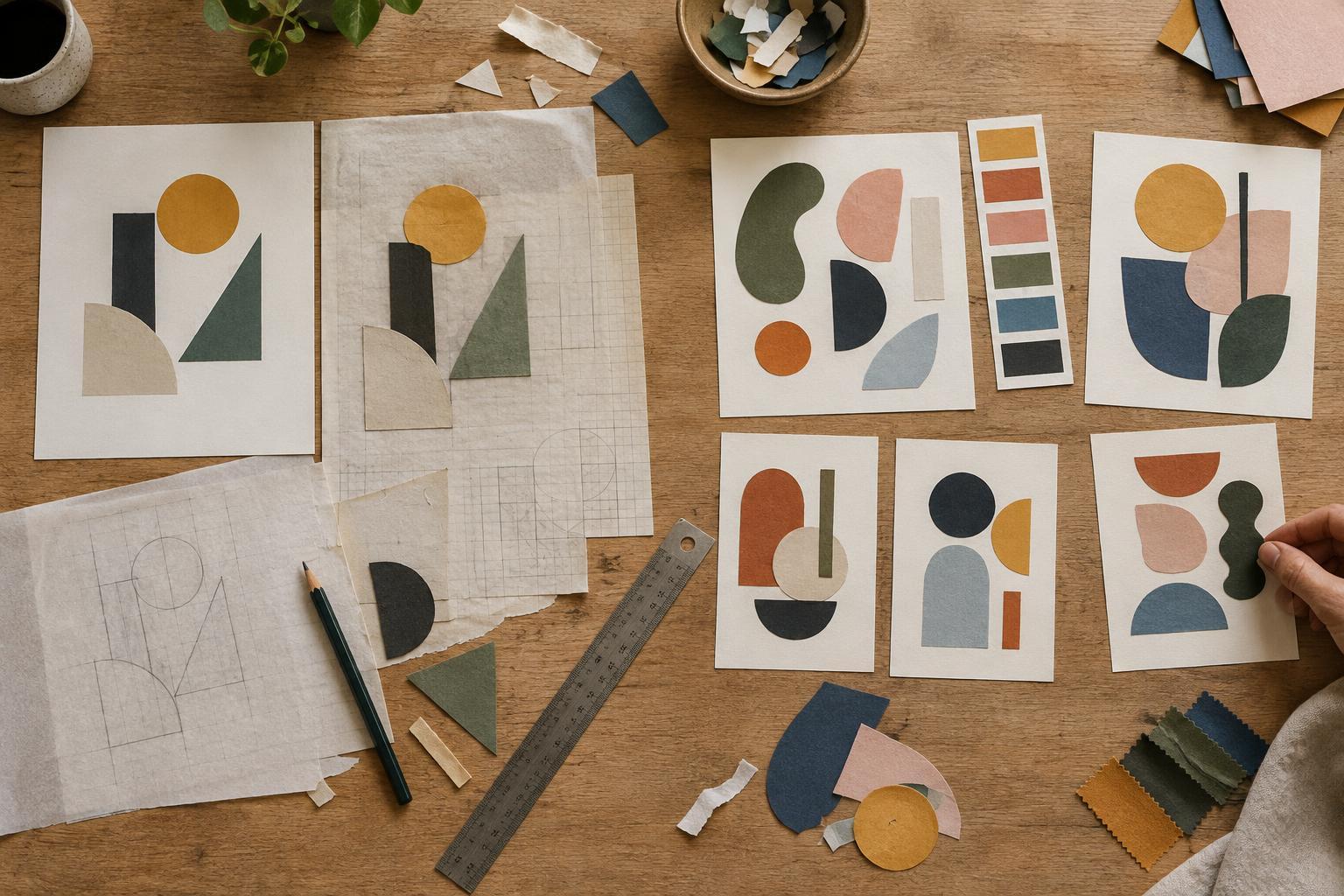
Once you have gathered references, put them aside for an initial round of sketches or rough drafts. Work from your brief and your notes instead of keeping a single example open beside your canvas. Try several approaches that solve the same problem in different ways. For the seed library, one direction might emphasize sharing between neighbors; another might focus on the variety of plants; a third might take cues from practical labeling systems.
When you return to your references, ask what each one teaches rather than what you can take from it. If you admire a design’s strong visual hierarchy, test your own hierarchy with different type, scale and placement. If you like an illustration’s warmth, explore what creates that feeling in your project: perhaps soft edges or an everyday scene. Changing a few surface details is not the same as developing a distinct idea; changing the concept and the choices that support it is a more meaningful step.
Check the work for uncomfortable similarities
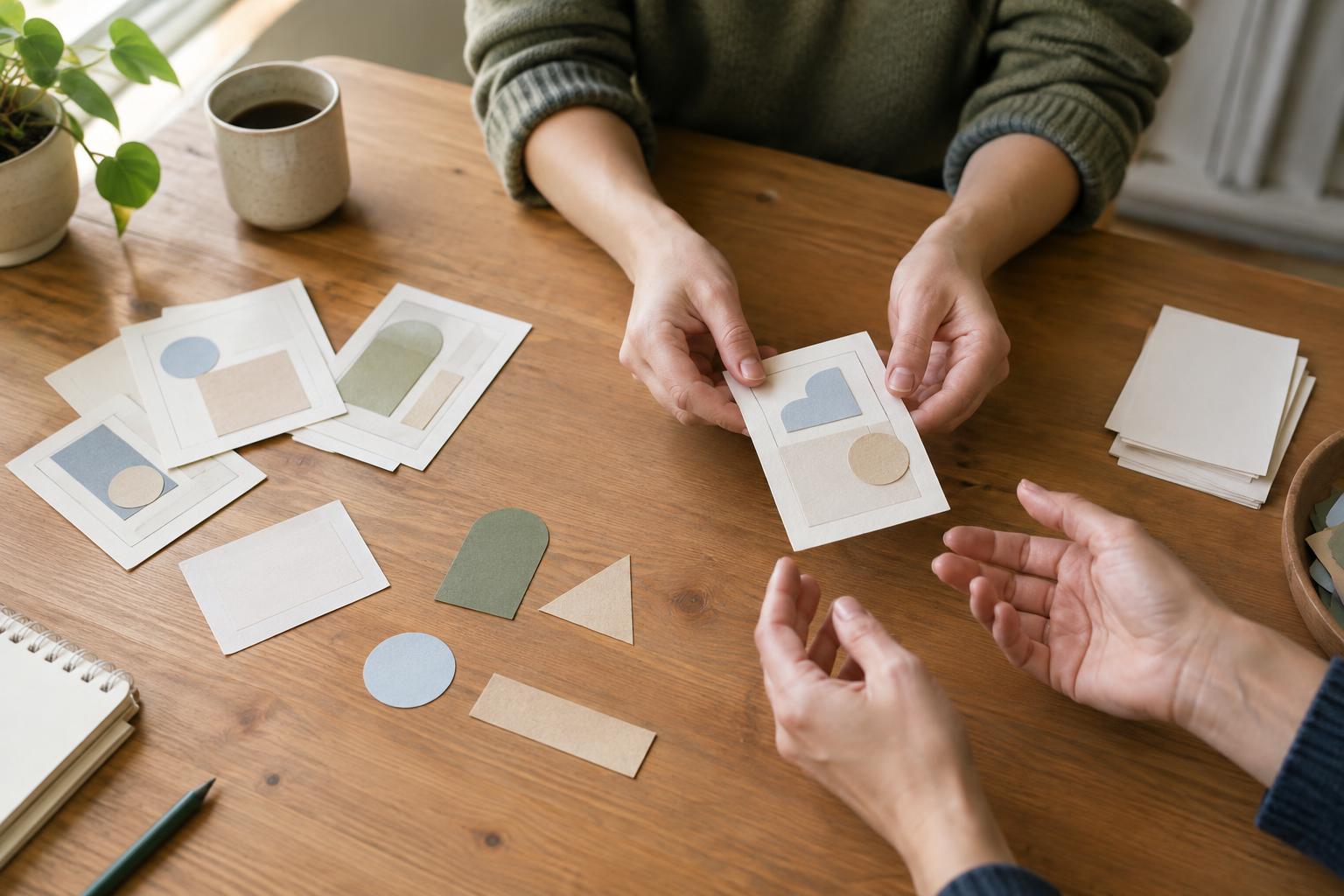
Step away from the project, then compare your draft with the references that influenced it most. Look beyond individual elements. Does it repeat the same unusual combination of subject, composition, color and treatment? Would someone who knows the reference immediately recognize it in your work? There is no simple visual test that settles every case, but an honest comparison can show where you have relied too heavily on one example.
If a draft feels too close, identify what you can change at the level of the idea. Reconsider the central metaphor, choose a different composition or return to the project’s purpose and generate fresh sketches. Do not assume that credit makes a close imitation suitable for your portfolio, or that a quick color change makes borrowed artwork your own. If you want to use another creator’s actual image, lettering or other material, seek appropriate permission or use material with terms that allow your intended use.
Keep a record of how the project developed
Save your brief, reference notes, early sketches and rejected directions. This record is valuable even if you never share it: it shows which decisions came from the project’s needs and which ideas need more work. For a portfolio case study, a few process images can explain how you explored alternatives without presenting your reference board as if it were your own output.
Using references well does not mean hiding your influences or trying to invent every visual idea from nothing. It means being curious about existing work while remaining responsible for your choices. Give yourself time to study, experiment and revise. The goal is a personal project that reflects what you learned, but could not be mistaken for the example that helped you begin.