Why an open brief can stall a good idea
A personal project offers freedom, but freedom can leave you with too many decisions at once. You may be choosing a subject, medium, style, audience, schedule, and definition of “finished” before you have made anything. Each choice can seem important because there is no client brief or deadline to settle it for you. A creative constraint gives one of those decisions a temporary answer, making the next action easier to see.
The goal is not to make the project smaller in ambition. It is to make the first version small enough to attempt. Instead of “make an illustrated guide to my city,” you might decide to draw six familiar places, using one color and a short caption for each. That limit still leaves room for observation and personality. It also tells you what to work on today.
Start with the result you want to explore
Before setting limits, write one sentence about what draws you to the project. Try a prompt such as, “I want to practice explaining complex ideas visually,” or “I want to notice details in my neighborhood.” This is not a mission statement for an audience. It is a way to separate the interesting part of the idea from all the possible ways to execute it.
Then choose constraints that protect that interest. If you want to practice visual explanation, limiting yourself to a single-page format may help you focus. If the pleasure is in exploring a place, a fixed route could be useful, while a strict visual style might get in the way. A good constraint reduces decisions without removing the reason you wanted to begin.
Set limits on scope, format, and time
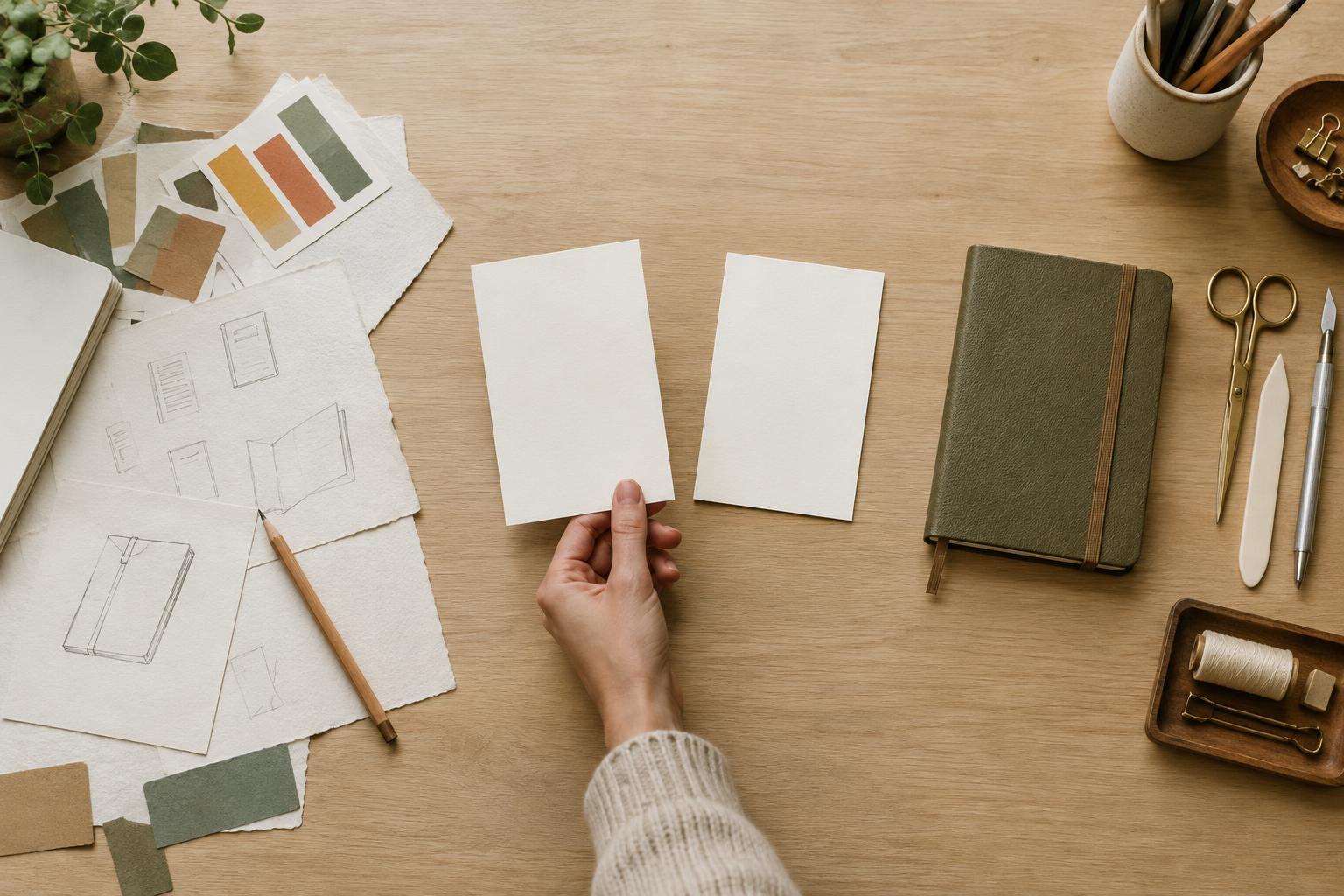
Scope is often the most helpful place to start. Decide how many pieces you will make, which subject you will cover, or what you will leave out. “Create three posters about everyday routines” is easier to act on than “make a poster series.” You can also set a boundary around inputs: use photographs you already have, work from objects on your desk, or write from notes you collected this week. These choices reduce preparation before the creative work begins.
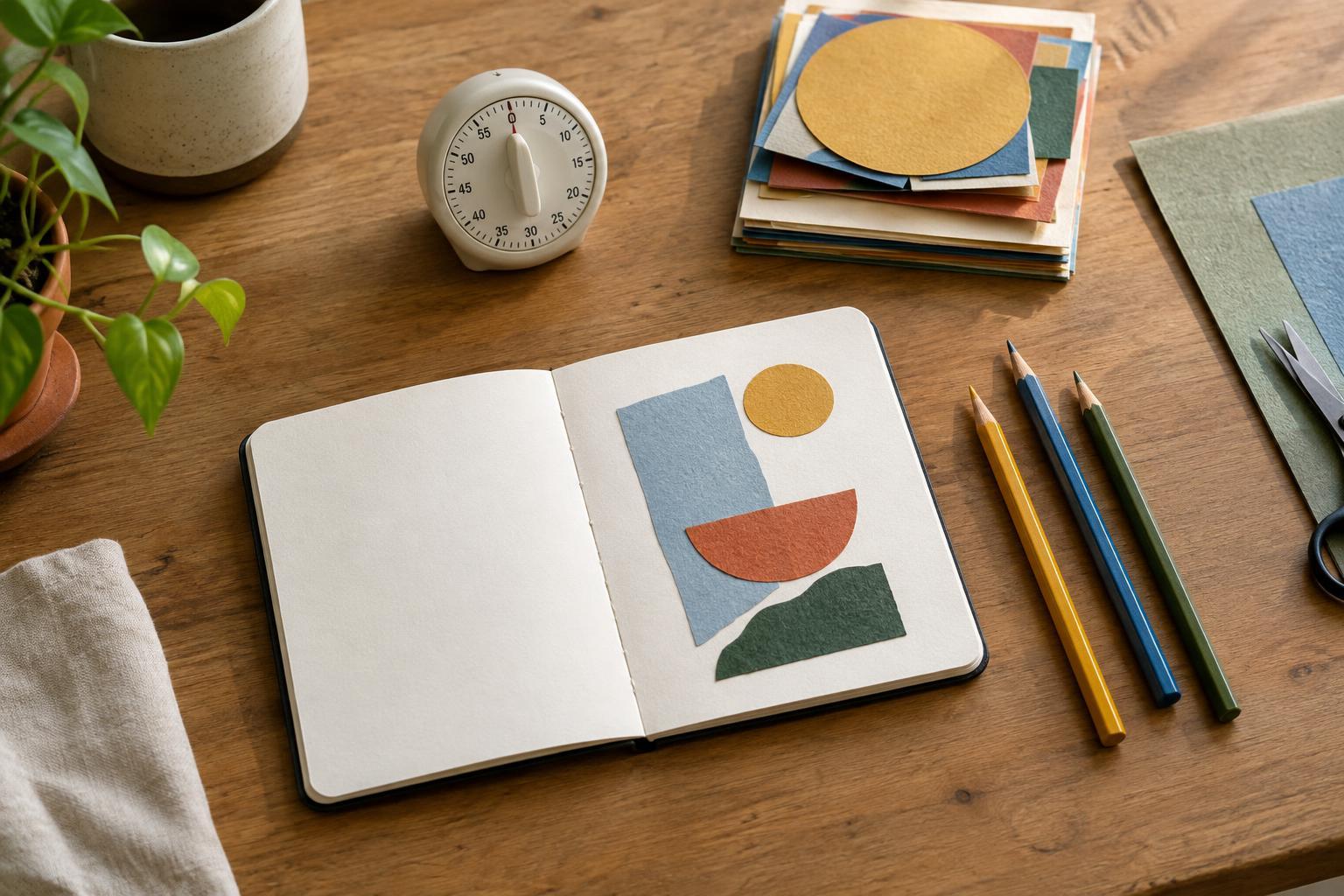
Next, pick a format that makes finishing plausible. A designer might make one screen rather than an entire app; a writer might draft five short entries rather than a long essay. Add a time limit for the first pass, not a promise about how long the whole project must take. For example: “I’ll spend two sessions making rough options, then choose one to develop.” Time limits work best when they define an experiment you can complete, rather than pressure you to produce polished work on command.
Make the rules visible and flexible
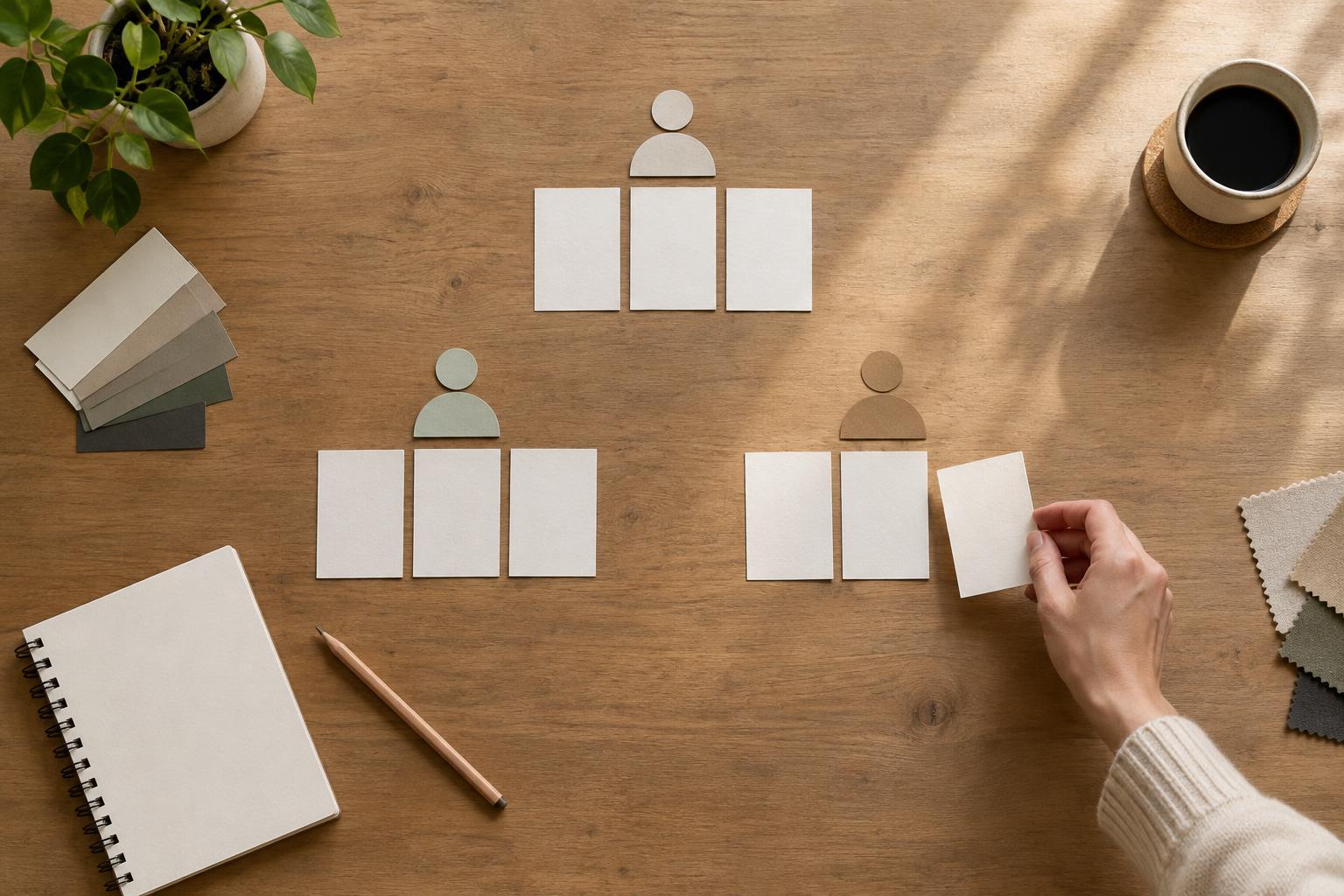
Write your constraints where you will see them when you sit down to work. A compact project brief might read: “Make four illustrated recipe cards for meals I know well. Use the same page size and two type styles. Draft one card this weekend.” This is specific enough to guide the first session, but it does not settle every visual decision in advance.
Treat the brief as a starting tool, not a test of discipline. If a rule repeatedly blocks the part of the project you care about, change it deliberately. You might keep the four-card limit but allow photographs instead of illustrations, or keep the illustration approach and reduce the set to two cards. Changing one constraint at a time helps you understand which limit was useful and which was simply friction.
Finish a small version before expanding
An appealing project can grow as soon as you begin it. You notice another theme, a better format, or an opportunity to turn it into a portfolio piece. Capture those ideas in a separate list, then return to the version you agreed to make. Finishing that version gives you something concrete to evaluate. You can decide what deserves more attention from the work itself, rather than from a collection of possibilities.
When you review the result, ask practical questions: Which limit helped me work? Which one made the work less interesting? What would I keep if I made a second version? You do not need to publish every personal project for it to be worthwhile. A small finished experiment can teach you what to pursue next—and make the next start less intimidating.