Start by deciding what this project is for
When every idea sounds promising, the problem is often not a lack of judgment. It is that the ideas serve different purposes. One might help you practice a new skill, another might become a portfolio piece, and a third might simply be fun. Comparing them as though they have the same job makes the choice harder than it needs to be.
Before ranking your ideas, finish this sentence: “For the next few weeks, I want a project that helps me _____.” Keep the answer specific. You might want to learn a particular tool, explore a visual style, make something you can show prospective clients, or rebuild a habit of making things outside paid work. Choose one primary purpose. A project can offer other benefits, but it does not need to deliver all of them.
If you are unsure what you need, look at your current work rather than an imagined future version of yourself. A creator with plenty of polished portfolio work may value experimentation. Someone who has been experimenting for months may benefit more from finishing and publishing a small, coherent piece.
Make a shortlist using real constraints
Write down your ideas, then reduce the list to three that fit your purpose. Do not try to develop every concept before choosing. For each shortlisted idea, note what you would make, who it is for, and what “finished” would look like. “Explore editorial design” is an interest; “design a four-page sample magazine about neighborhood gardens” is a project you can plan.
Next, check each idea against the resources you actually have. How much uninterrupted time can you give it? Does it require a collaborator, specialist knowledge, expensive materials, or permission to use someone else’s work? Could you complete a smaller version on your own? Constraints are not a verdict on an idea’s quality. They help you choose an idea that fits this season of your life.
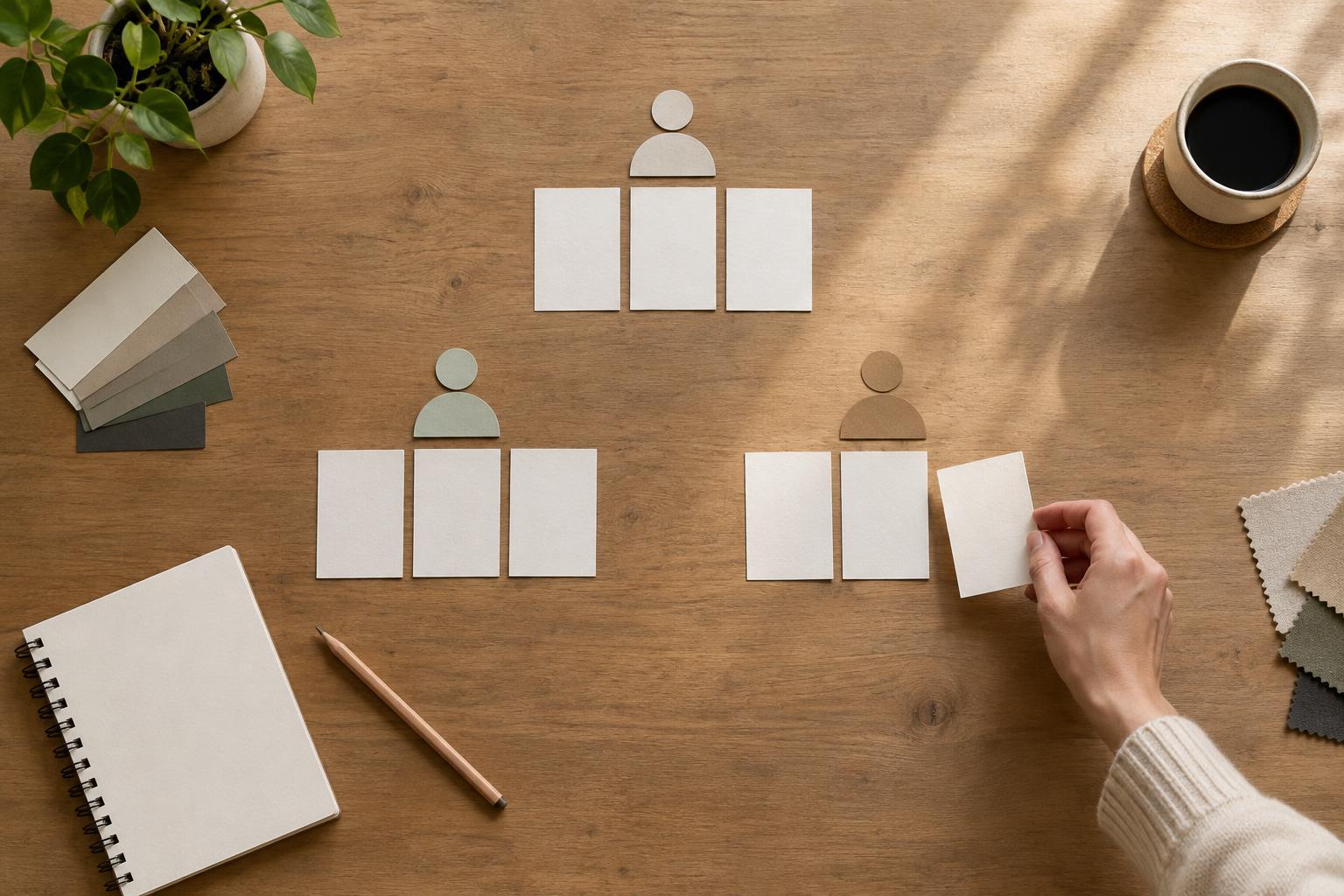
A simple comparison can be enough. Give each idea a plain-language note under three headings: purpose, feasibility, and interest. Look for one that clearly serves your purpose, has an achievable first version, and still makes you curious enough to return to it after the initial excitement fades.
Test the idea before committing to the full version
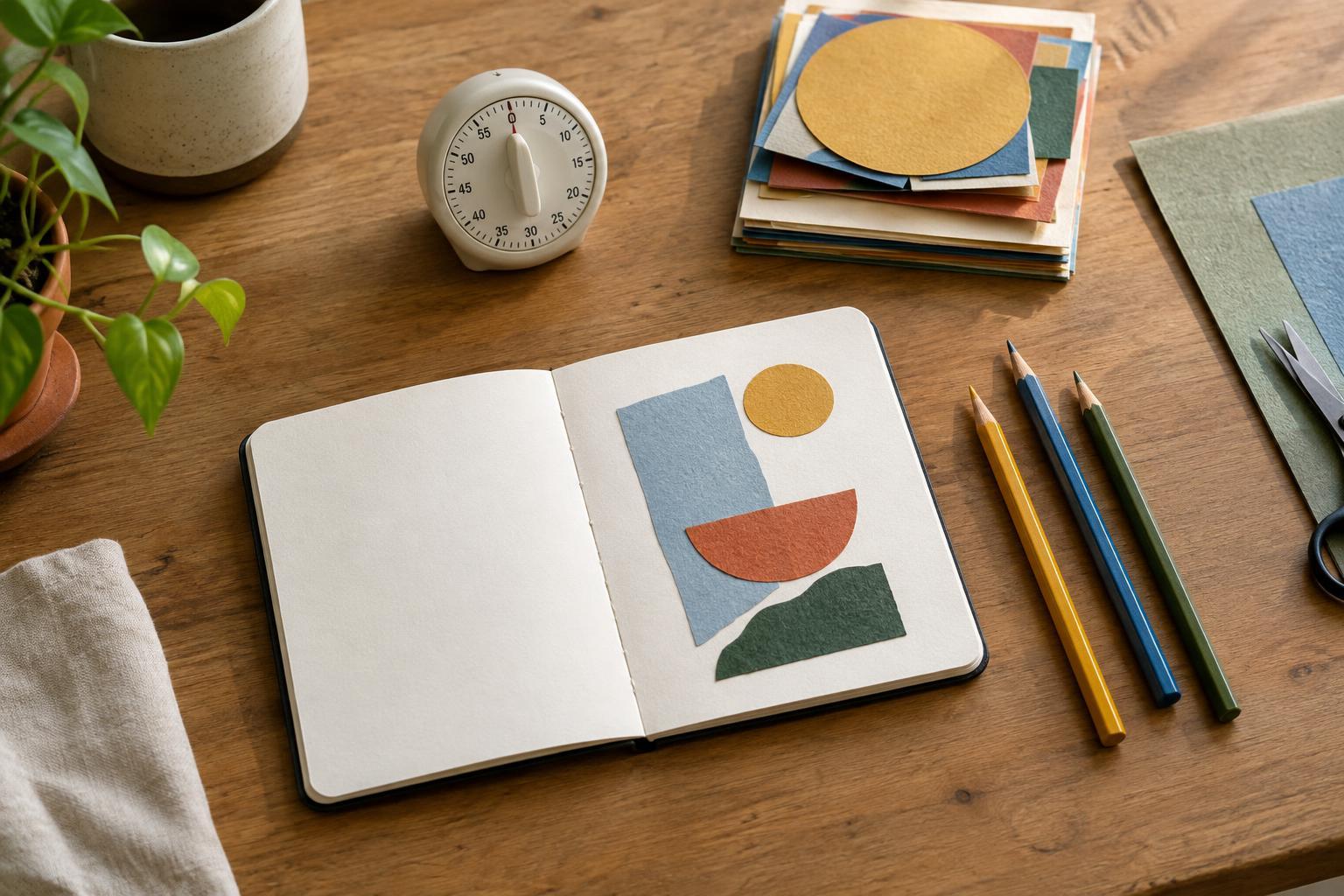
A project can be appealing in your head but frustrating in practice. Instead of debating it indefinitely, give your strongest candidate a short trial. Sketch one screen, draft one page, assemble a rough mood board, or make a tiny prototype. Choose a test that involves the part of the work you would do repeatedly, not just the enjoyable setup.
The test does not have to produce anything worth sharing. Its job is to answer useful questions: Do you understand the next step? Are the materials accessible? Does the work hold your attention once it becomes concrete? Did you discover a difficulty you can solve, or a dependency that would stall the project? If the trial reveals a problem, try reducing the scope before discarding the idea.
For example, an illustrated guide with dozens of entries might become a single illustrated explainer. A proposed app might become one carefully designed user flow. A personal archive might begin as five selected pieces with short notes. These smaller versions let you practice the central idea without promising more than you can reasonably deliver.
Define a finish line you can recognize
Once you choose, write a short project brief for yourself. Include the purpose, the intended output, the minimum finished version, and a few deliberate exclusions. “Create six poster designs exploring one type system, then select and present the strongest three” gives you a clearer finish line than “get better at typography.” The exclusions matter: they keep new ideas from quietly expanding the work.
Break the project into a few milestones, such as gathering references, making a rough version, revising it, and preparing it to share. Decide in advance what kind of feedback would help at each stage. Early feedback can test whether the concept makes sense; later feedback can focus on clarity or presentation. You do not need outside approval for every decision.
If you want the result for your portfolio, leave time to document your choices. Capture rough drafts and note what changed as you worked. A finished piece may show what you made, while a concise account of the process can help others understand how you think.
Keep the other ideas without keeping them active
Choosing one project does not mean rejecting the rest. Put the unused ideas in a parking list with a sentence about why each interested you. That small note is more valuable than a vague title when you revisit the list later. Avoid turning every saved idea into an open task; a backlog should reduce mental clutter, not become another source of obligation.
Set a point at which you will review your choice, such as after completing a first version. If the project still serves its purpose, continue or improve it. If it no longer does, you can stop with a clearer understanding of what you learned. The goal is not to prove you picked the perfect idea. It is to make enough room for one worthwhile idea to become real.