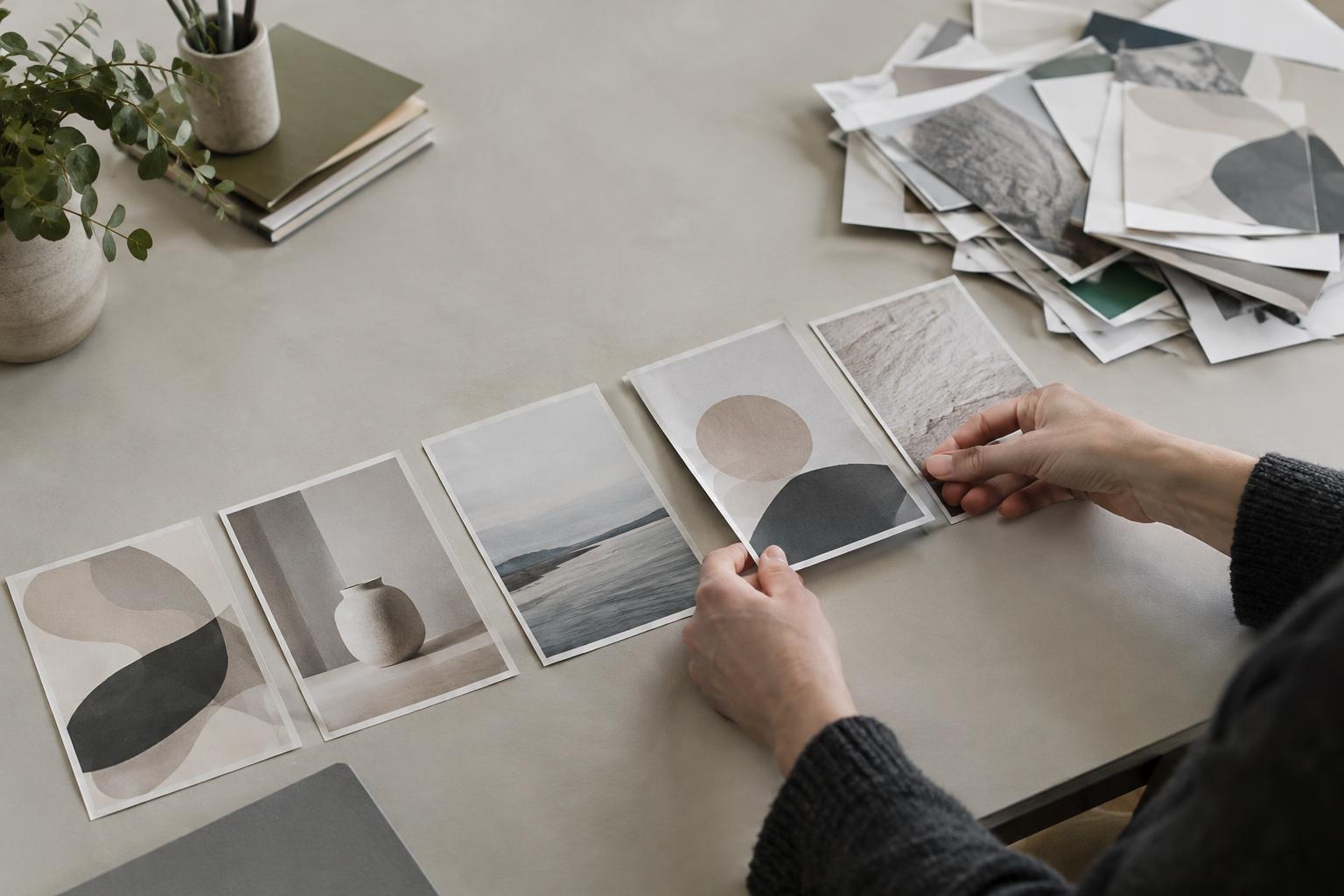
Decide what your portfolio needs to do now
A portfolio is a selection, not a complete archive. Work that represented you well a few years ago may no longer reflect your strongest skills or the projects you want to attract. Before changing the site, write down the kind of work you would like to do more often, the skills you want visitors to notice and the questions a potential collaborator might have. These answers give you a basis for deciding what stays.
You do not need a rigid career plan. A short statement such as “I want to take on more editorial design projects” or “I want to show how I solve complex interface problems” is enough to guide a review. If your direction is still open, focus on qualities that carry across projects: your judgment, process, craft and ability to explain decisions. Revisit the statement when your interests change.
Choose projects for relevance, not just recency
Look at each featured project and ask what it demonstrates. Does it show a skill you still use? Does it make your role clear? Would you welcome a similar assignment? An older project can earn its place if it remains a strong example of your thinking. A newer one does not have to appear simply because it is new. Aim for a small, varied set of projects that supports your current direction without forcing visitors to sort through every piece of work you have made.
When a project no longer fits, you can remove it from the main selection without treating it as a failure. Keep a private archive if you want a record of your progress. If you work across several disciplines, consider grouping projects by the type of problem they solve rather than by year. That makes the portfolio easier to navigate and helps visitors understand where your different skills connect.
Update the story as well as the images
A current portfolio is not only a collection of recent visuals. It explains what you contributed and why the work mattered. Review each project page for missing context: the brief, your role, important constraints, key decisions and the outcome you can describe accurately. If a project involved a team, name your contribution without implying you did everything. If you cannot share a result or a client detail, say only what you are permitted to say and concentrate on the decisions you can discuss.
You can refresh a case study without redesigning the entire page. Replace unclear captions, remove repetitive images and put the most informative work near the top. A useful test is to imagine someone spending one minute on the page: could they tell what the project was, what you did and what the example says about your abilities? Clear writing often makes an existing project more useful than adding another polished image.
Make room for skills you are still developing
Sometimes your portfolio lags behind your goals because you have not yet had the opportunity to use a new skill in client work. A self-initiated project can help bridge that gap. Choose a focused brief, set realistic constraints and show the process alongside the final result. Label the work as a personal or conceptual project so visitors can distinguish it from commissioned work. The goal is to demonstrate how you approach the work, not to imply a client relationship that did not exist.
You can also highlight a relevant part of an older project. For example, a designer moving toward content strategy might expand on the information structure behind a website rather than presenting only its visual design. Be honest about what the project proves. One thoughtful example of an emerging skill is more persuasive than a broad claim that you can do everything.
Build an update routine you can maintain
Portfolio maintenance becomes easier when it is a small recurring task instead of a full rebuild. Keep a simple record as projects finish: save approved images, note your responsibilities, write down decisions you may forget and record any sharing restrictions. When you are ready to publish, you will have material to work from rather than an empty page. If client work cannot be shown, the record can still help you identify skills to demonstrate through another project.
Set a reminder to review your homepage, featured work and introduction at intervals that suit your workload. Check whether project links work, descriptions remain accurate and your contact information is easy to find. Then make the smallest useful change: reorder projects, revise a sentence or replace one example. A portfolio stays current through repeated choices about what represents you now, not through constant redesign.