Start with what already holds your attention
A personal project does not have to begin with a grand concept. It can begin with a recipe you keep adjusting, a walking route you like to compare across seasons, or the way you organize your reading list. Familiar interests give you a head start: you already know which details are interesting to you, and you are more likely to keep exploring when the initial excitement fades.
For a week, notice what you choose to do, save, or talk about without being asked. Look for repeated actions rather than broad labels. “I like music” is hard to build from; “I keep comparing the cover art of albums I return to” suggests a visual study. Write down questions too. What do you wish were easier to find, understand, remember, or explain about this interest? A project can be a way to explore one of those questions without needing to produce a definitive answer.
Turn an interest into something you can make
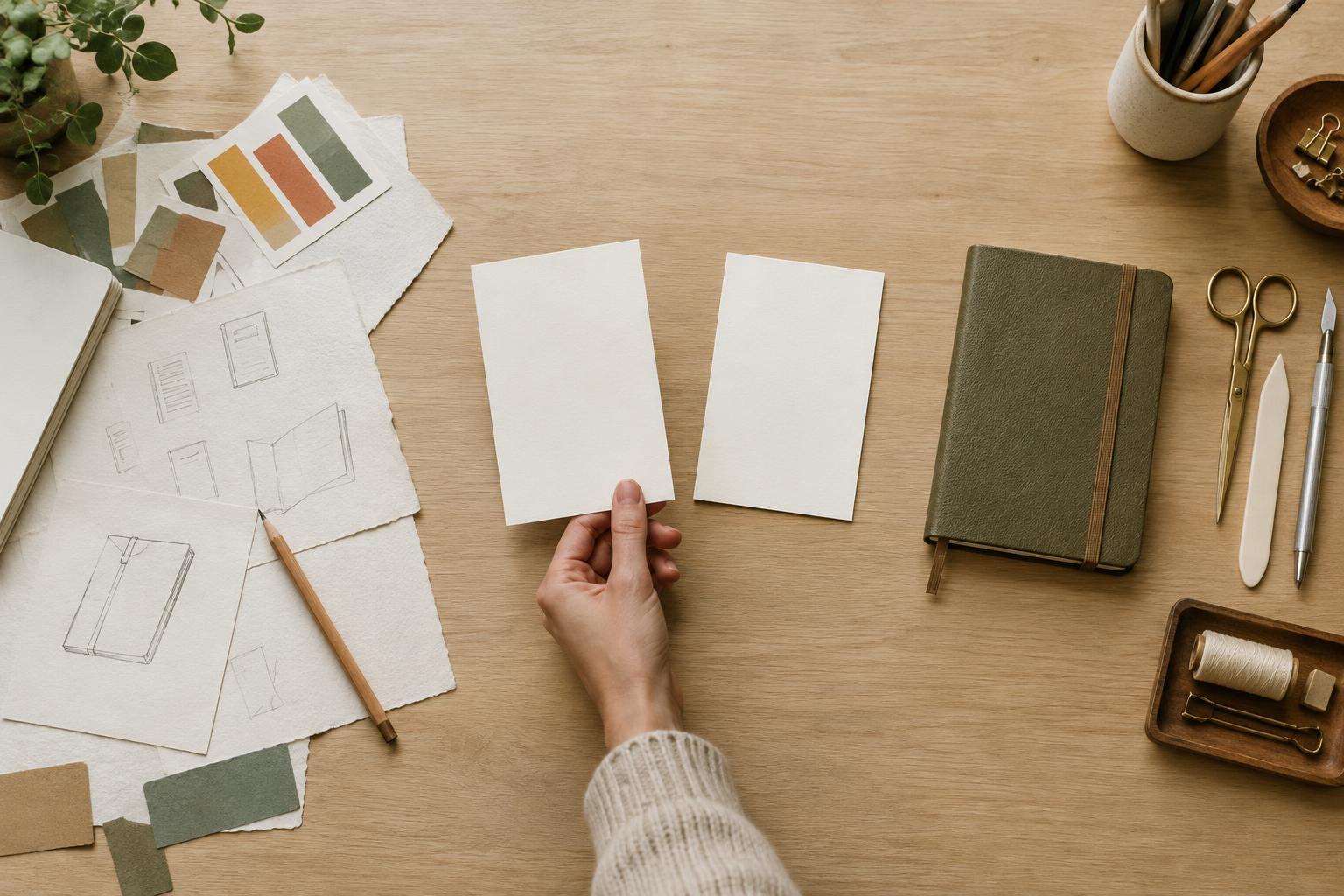
Once you have an interest, pair it with a form. A collection of neighborhood signs might become a photo series, a small illustrated guide, or a set of type experiments. A habit of cooking from pantry ingredients might become a one-page recipe template. You are not trying to find the only correct format; you are choosing a format that lets you practice a skill and show someone else what you noticed.
Try completing this sentence: “I want to make a [format] about [specific part of my interest] for [audience or use].” For example: “I want to make a short field guide to the plants I can recognize on my usual walk, for someone who wants to start noticing them too.” The audience can be just you at first. Naming a use still helps you decide what belongs in the project and what does not.
If you want the project to strengthen your creative practice, add one skill you would like to exercise. You might use the guide to practice page layouts, the photo series to practice sequencing, or the recipe template to practice clear instructions. Keep the interest and the skill connected: the subject gives the work meaning, while the skill gives you a way to shape it.
Use a constraint to make the idea manageable
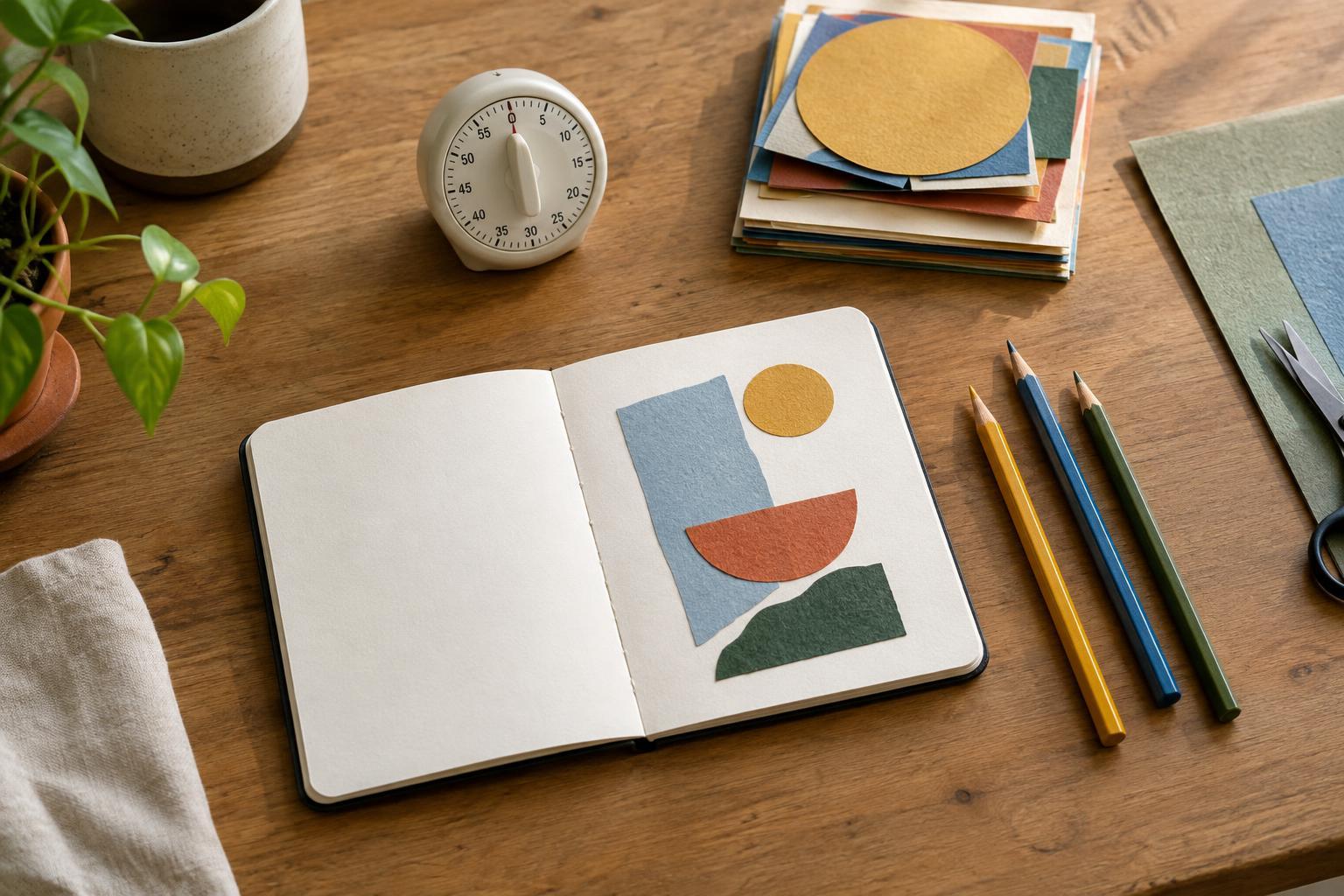
Everyday interests can expand endlessly. Without a boundary, a promising idea may turn into a plan to document every café, book, or object you have ever liked. Give yourself a limit before you begin: five examples, one location, three colors, a single page, or two weeks of observation. A constraint makes it easier to start and gives you a clear point at which the first version is done.
Choose a limit that fits the time and materials you actually have. If you are interested in local architecture but cannot travel across the city, document doorways on one familiar street. If you want to explore animation but have limited time, make a few short loops rather than a film. The smaller version is not merely a compromise. It can reveal what is compelling about the idea and whether you want to continue it.
Make notes before you make a polished artifact
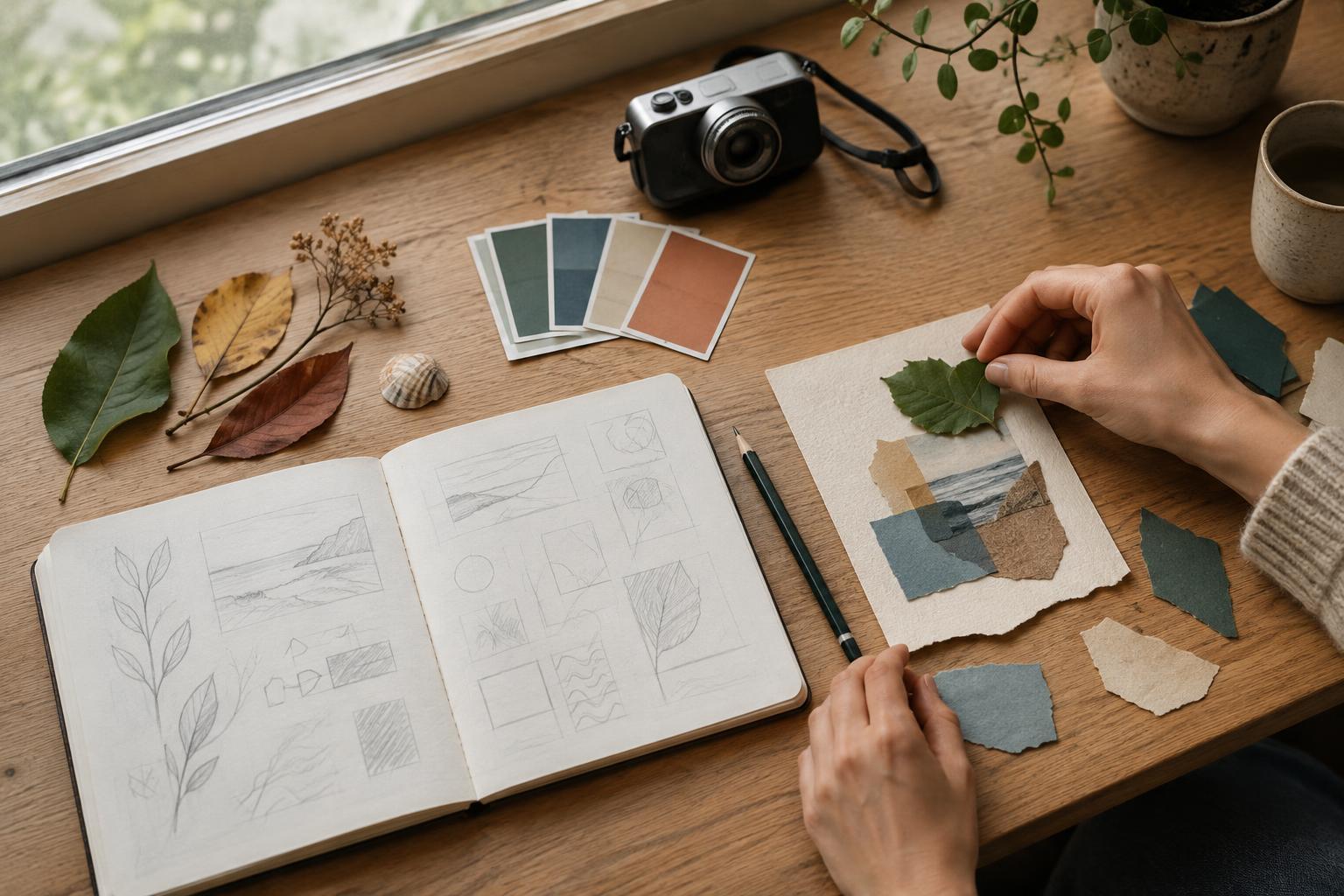
You do not need a finished concept to begin gathering material. Keep a simple project note with three parts: things you notice, questions that come up, and possible things to make. Add quick sketches, rough photos, phrases, or links to your own files as needed. The goal is not to build an elaborate system. It is to keep useful fragments where you can find them when you sit down to work.
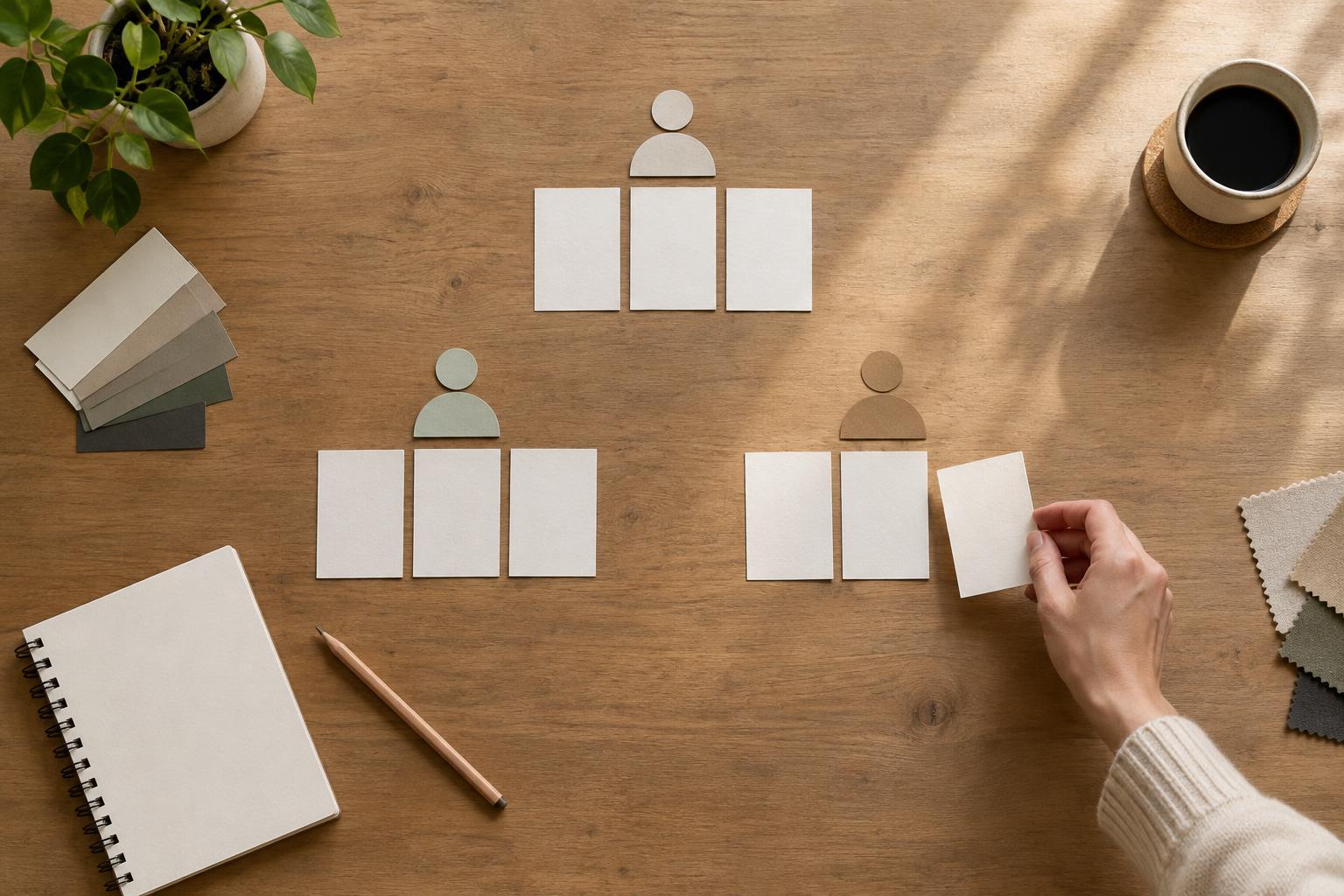
After collecting a little material, look for a pattern or contrast. Perhaps the signs you photographed use surprisingly different ways to show the same instruction. Perhaps your reading notes reveal that you always remember maps but forget names. That observation can become the project’s focus. Make a rough version early, even if it is a sheet of thumbnails or a draft page. It will show you which ideas need more material and which are ready to develop.
Finish one version, then decide what comes next
A personal project is easier to sustain when finishing does not mean exhausting the topic. Define a first deliverable you can complete: a six-image series, a printable checklist, a brief essay, or a working prototype. Set a stopping point for collecting material, then spend time editing what you have. Select the strongest examples, remove anything that distracts from the focus, and give the work enough context for another person to understand it.
When the first version is finished, ask what you learned rather than whether the project is impressive enough. Did you enjoy the subject, the process, or both? Is there an unanswered question worth exploring? You can expand the idea, change its format, or leave it complete as a small study. The lasting value of everyday interests is that they keep offering fresh starting points. Paying attention to them helps you build a practice from what is already around you.